Bringing Spring to Life with Watercolor Easter Egg Sublimation Design
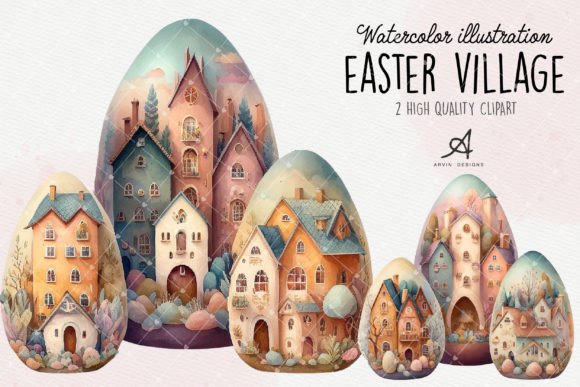
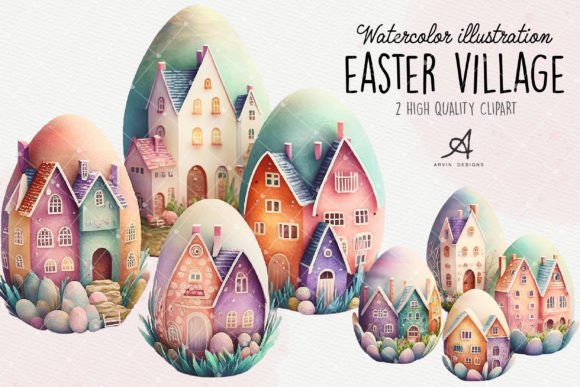
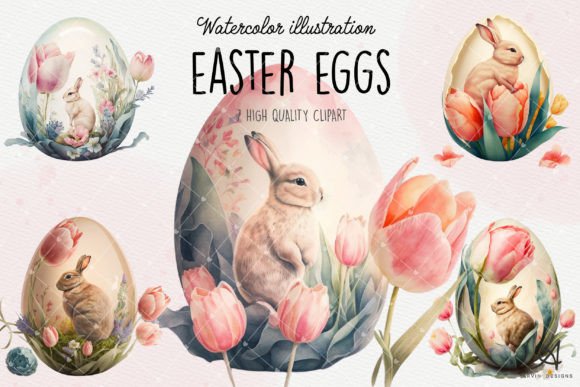
There is something undeniably magical about the soft, bleeding edges of a watercolor painting, especially when it captures the whimsy of spring. When you combine that artistic aesthetic with modern sublimation technology, you get a Watercolor Easter Egg Sublimation Design that feels both timeless and fresh. These aren't just digital files; they are the starting point for tangible memories, handmade gifts, and unique branding opportunities that stand out in a sea of generic holiday graphics. Whether you are a seasoned crafter looking to expand your shop's inventory or a small business owner wanting to add a seasonal touch to your packaging, understanding how to leverage these high-resolution illustrations can transform your creative output.
At its core, this type of design collection offers a bridge between traditional artistry and digital manufacturing. The specific appeal lies in the texture and depth that watercolor provides. Unlike flat vector graphics, watercolor designs carry an organic quality—subtle variations in pigment density, soft gradients, and a hand-painted feel that resonates with people on an emotional level. When these designs are prepared specifically for sublimation, usually as high-quality PNGs with transparent backgrounds at 300 DPI, they become incredibly versatile assets. You aren't limited to just one project; a single set of 87 unique elements allows you to mix, match, and compose endless variations tailored to specific needs.
Real-World Applications for Makers and Small Businesses
For those running a print-on-demand business or a local craft booth, the versatility of these designs is a game-changer. Imagine preparing for the Easter rush. Instead of scrambling to create new artwork from scratch, you have a library of pre-made, professional-grade eggs ready to be placed on virtually any substrate. The most obvious application is apparel. A simple white polyester blend t-shirt or a tote bag becomes a canvas for a beautiful, pastel-colored egg composition. Because the background is transparent, the watercolor effect blends seamlessly into the fabric, avoiding that "sticker-like" look that lower-quality prints often suffer from.
Beyond clothing, home decor is a massive avenue for these designs. Sublimation blanks like ceramic mugs, coasters, and metal signs are perfect candidates. A mug featuring a delicate watercolor egg with floral accents makes for a thoughtful gift that feels personal and curated. Consider the scenario of a local coffee shop wanting to update their merchandise for the season. They could take these elements, combine them with their logo, and create limited-edition cups that customers actually want to keep. The high resolution (3000px x 3000px) ensures that even when printed on larger items like throw pillows or wall art, the details remain crisp and the colors vibrant.
Elevating Branding and Packaging
It isn't just about selling finished goods; these designs are powerful tools for branding and packaging. If you sell handmade soaps, artisanal chocolates, or boutique clothing, the unboxing experience matters. Using watercolor Easter egg motifs on your tissue paper, stickers, or thank-you cards adds a layer of sophistication. It tells your customer that you pay attention to detail and care about aesthetics. Since the package includes elements that can be combined, you aren't stuck with a cookie-cutter look. You can create a unique pattern for your wrapping paper that no other brand has, reinforcing your identity as a creator who values originality.
Digital presence is another area where these assets shine. In an era where social media feeds are crowded, having cohesive, beautiful graphics helps you stand out. You can use these watercolor eggs to create Instagram story highlights, Pinterest pins, or website banners. The soft color palette typical of watercolor art aligns perfectly with spring marketing campaigns, evoking feelings of renewal and joy. For web designers or content creators, having access to transparent PNGs means you can overlay these elements on photos or colored backgrounds without worrying about unsightly white boxes ruining the composition.
Practical Considerations for Best Results
While the creative possibilities are endless, getting the best result requires a bit of practical know-how. First and foremost, the medium matters. Sublimation only works effectively on polyester-based materials or items with a special polymer coating. If you try to sublimate these designs onto 100% cotton, the ink won't bond, and the image will wash away. For apparel, aiming for a blend of at least 65% polyester will yield vibrant colors, though keep in mind that higher polyester content often results in a slightly different hand-feel compared to pure cotton. For hard goods like mugs or tumblers, ensure you are using blanks specifically rated for sublimation to prevent ghosting or color shifting.
Color management is another critical factor. Watercolor designs rely heavily on subtle shifts in hue and transparency. What you see on your monitor might look slightly different once heat and pressure are applied. It is always wise to run a test print on a scrap piece of sublimation paper or a cheap blank before committing to a full production run. This helps you adjust your printer's color profile to ensure those soft blues and pinks don't turn muddy or overly saturated. Additionally, because these designs often feature light, airy colors, the base color of your product is crucial. These watercolor eggs are designed to pop against white or very light pastels. Trying to sublimate them onto a black or navy blue item will render the design invisible, as sublimation dye cannot print white ink.
Maximizing Value Through Composition
The true power of a comprehensive set lies in the ability to customize. With 87 different elements, you are not forced to use the designs as-is. You can layer a speckled egg over a floral wreath, add typography in the negative space, or scatter smaller elements to create a seamless pattern. This flexibility allows you to cater to different demographics within your audience. Perhaps one segment of your customers prefers minimalist, single-egg designs, while another loves busy, maximalist compositions. By manipulating the layers in your design software, you can create products for both groups without needing to purchase additional assets.
Furthermore, these designs extend beyond the Easter holiday itself. The watercolor style is perennially popular for spring-themed projects. Those same eggs can be repurposed for baby showers, bridal showers with a spring motif, or general "welcome spring" decor. This extends the lifecycle of your purchase, offering a better return on investment. Instead of a design that is useless after Easter Sunday, you have assets that can drive sales throughout the entire spring season.
Ultimately, integrating a Watercolor Easter Egg Sublimation Design pack into your workflow is about efficiency meeting artistry. It removes the barrier of needing to be a proficient painter while still allowing you to offer products that look handcrafted and unique. Whether you are decorating a nursery, launching a seasonal product line, or simply making gifts for family, the combination of high-resolution transparency and organic watercolor textures provides a professional foundation for your creativity. The key is to experiment with combinations, respect the technical limitations of the sublimation process, and let the natural beauty of the watercolor style do the heavy lifting in connecting with your audience.