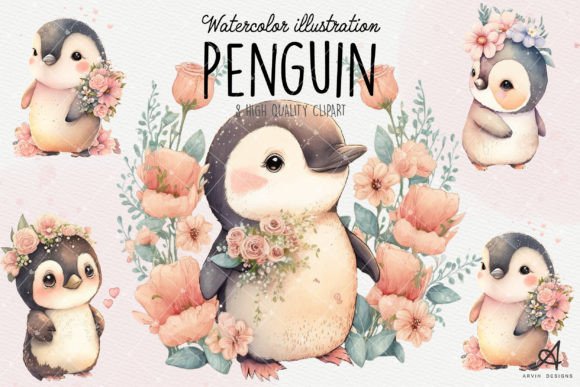
Evaluating Watercolor Penguin Sublimation Design for Creative Projects
For designers, crafters, and small business owners looking to add a touch of whimsy to their product lines, the Watercolor Penguin Sublimation Design offers a specific aesthetic solution. This digital asset category typically features hand-painted style illustrations of penguins, rendered with soft edges, blended colors, and the characteristic transparency of watercolor media. When evaluating whether this specific design style fits your project requirements, it is essential to look beyond the immediate visual appeal and consider technical specifications, application versatility, and how it compares to other graphic styles available in the market.
Understanding the Aesthetic and Technical Specifications
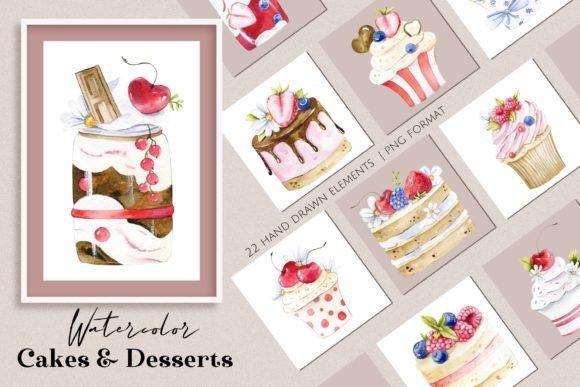
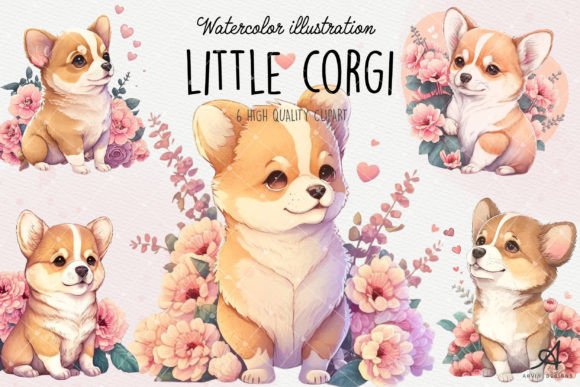
A watercolor penguin sublimation design is distinct from vector art or flat digital illustrations. The primary draw is the organic texture that mimics traditional painting. These designs often include variations in pigment density, creating depth without heavy outlining. In the context of sublimation printing, where heat transfers ink onto polyester-based substrates, this style can be particularly effective because the soft gradients of watercolor translate well onto fabric and coated hard goods, avoiding the "sticker-like" appearance that sometimes plagues solid-color vector graphics.
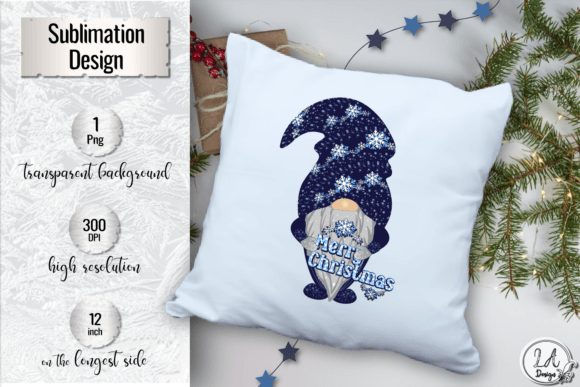
When reviewing a package of these designs, technical quality is paramount. High-quality sets generally provide files in PNG format with transparent backgrounds. This transparency is critical for sublimation, as it allows the designer to place the penguin illustration over various background colors or patterns without a white box surrounding the image. Standard professional expectations for these files include a resolution of at least 300 DPI (dots per inch). For example, a file size of 3000px by 3000px (approximately 10 inches by 10 inches at print resolution) ensures that the image remains crisp even when printed on larger items like throw pillows or tote bags. Lower resolution files may result in pixelation, which detracts from the delicate nature of the watercolor effect.
Practical Applications and Versatility
The utility of a Watercolor Penguin Sublimation Design extends far beyond simple t-shirt printing. Because the subject matter is seasonal yet universally appealing, these illustrations serve multiple industries. One of the most common applications is in the creation of holiday merchandise. Penguins are strongly associated with winter themes, making these designs ideal for Christmas cards, winter wedding invitations, and seasonal packaging.
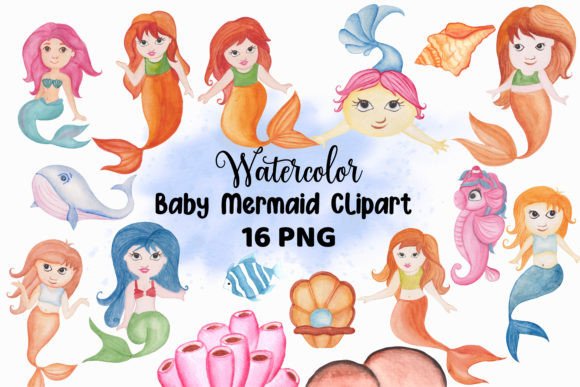
Furthermore, the modular nature of these design sets often allows users to combine elements. A comprehensive package might include individual penguins, snowflakes, and winter foliage as separate layers or files. This modularity enables creators to build unique compositions rather than using a static, pre-made scene. For branding purposes, such as social media headers or website banners, the soft palette of watercolor can soften a brand's image, making it feel more approachable and artisanal. Additionally, these designs are suitable for wallpaper patterns, where the repetition of a soft, organic motif can create a calming environment, unlike the rigid geometry of some digital art styles.
Benefits of Choosing Watercolor Styles for Sublimation
There are several strategic reasons to select watercolor assets over other types of clipart for sublimation projects. First, the color blending inherent in watercolor art helps mask minor imperfections in the printing process. Sublimation requires precise heat and pressure; occasionally, slight shifts can occur. The diffuse edges of a watercolor penguin are more forgiving of these minor alignment issues than a graphic with hard, defined borders.
Secondly, the emotional resonance of the style should not be underestimated. Watercolor evokes feelings of nostalgia, warmth, and handmade quality. For sellers on platforms like Etsy or at local craft fairs, products featuring this aesthetic often command a perception of higher value compared to mass-produced, generic graphics. The ability to purchase art without watermarks is also a significant benefit, ensuring that the final product looks professional and legitimate. When a design set explicitly states compatibility for sublimation, it usually implies that the color profile has been optimized to look vibrant after the heat transfer process, which can sometimes dull colors if not accounted for in the original file.
Considerations and Potential Tradeoffs
While the benefits are clear, there are tradeoffs to consider before investing in a Watercolor Penguin Sublimation Design package. The primary limitation lies in scalability and editing flexibility. Unlike vector files (SVG or EPS), which can be scaled infinitely without loss of quality, raster-based PNGs have a fixed maximum size. If a project requires a billboard-sized print or a very large backdrop, a 3000px file may not suffice, and enlarging it will degrade the image quality. Users must verify that the provided dimensions meet their largest anticipated project needs.
Additionally, the watercolor style may not suit every brand identity. Companies seeking a ultra-modern, tech-forward, or corporate look might find the soft, textured aesthetic too informal or playful. The color palette in watercolor designs is often pastel or muted to maintain realism; if a project requires neon or highly saturated, solid colors, this style may require significant digital manipulation to achieve the desired look, which can be time-consuming and may compromise the artistic integrity of the original piece.
Decision-Making Insights: Is This Right for You?
Determining whether to proceed with these designs depends largely on your specific goals and the nature of your end products. If you are creating items for the holiday season, children's apparel, or boutique home decor, the watercolor penguin motif is likely a strong fit. It aligns well with current trends favoring organic textures and handcrafted visuals. It is particularly valuable for those who need to produce a variety of items quickly, such as a series of matching holiday cards and gift tags, where consistency in style is key.
However, if your primary need is for large-scale signage, or if your brand guidelines strictly mandate flat, solid colors and sharp geometric lines, alternatives such as vector illustrations or photographic assets may be worth considering. Vector graphics offer unlimited scalability and easier color customization, while photography provides hyper-realism that watercolor cannot mimic.
Ultimately, the decision rests on balancing aesthetic preference with technical requirements. A high-resolution, transparent PNG set offers a practical middle ground for most small-to-medium scale sublimation projects. By ensuring the files meet the 300 DPI standard and checking that the license permits commercial use for your intended mediums—whether that be packaging, web sites, or physical goods—you can effectively leverage these illustrations to enhance your creative output. The ability to mix and match elements within a set further increases the return on investment, allowing for the creation of unique compositions that stand out in a crowded marketplace.